Your HVAC system moves air through every room in your home or building, which makes it one of the most important factors in your indoor environment. It also makes it one of the most consequential places for mold to grow. When mold takes hold inside ductwork, air handlers, or cooling coils, it does not stay contained. It travels. Every time the system runs, it circulates contaminated air throughout the occupied space, affecting the air quality in every room it reaches. Understanding what HVAC mold remediation involves and when it is actually necessary can help you act early and avoid a much larger problem down the road.
What Is HVAC Mold Remediation?
HVAC mold remediation is a specialized process for identifying, removing, and treating mold growth within heating, ventilation, and air conditioning systems. It is distinct from standard duct cleaning in that it addresses active biological contamination rather than just accumulated dust and debris. Remediation may involve removing and replacing contaminated duct sections, treating surfaces with EPA-approved antimicrobial agents, addressing the moisture source that allowed mold to grow, and verifying clearance after treatment is complete.
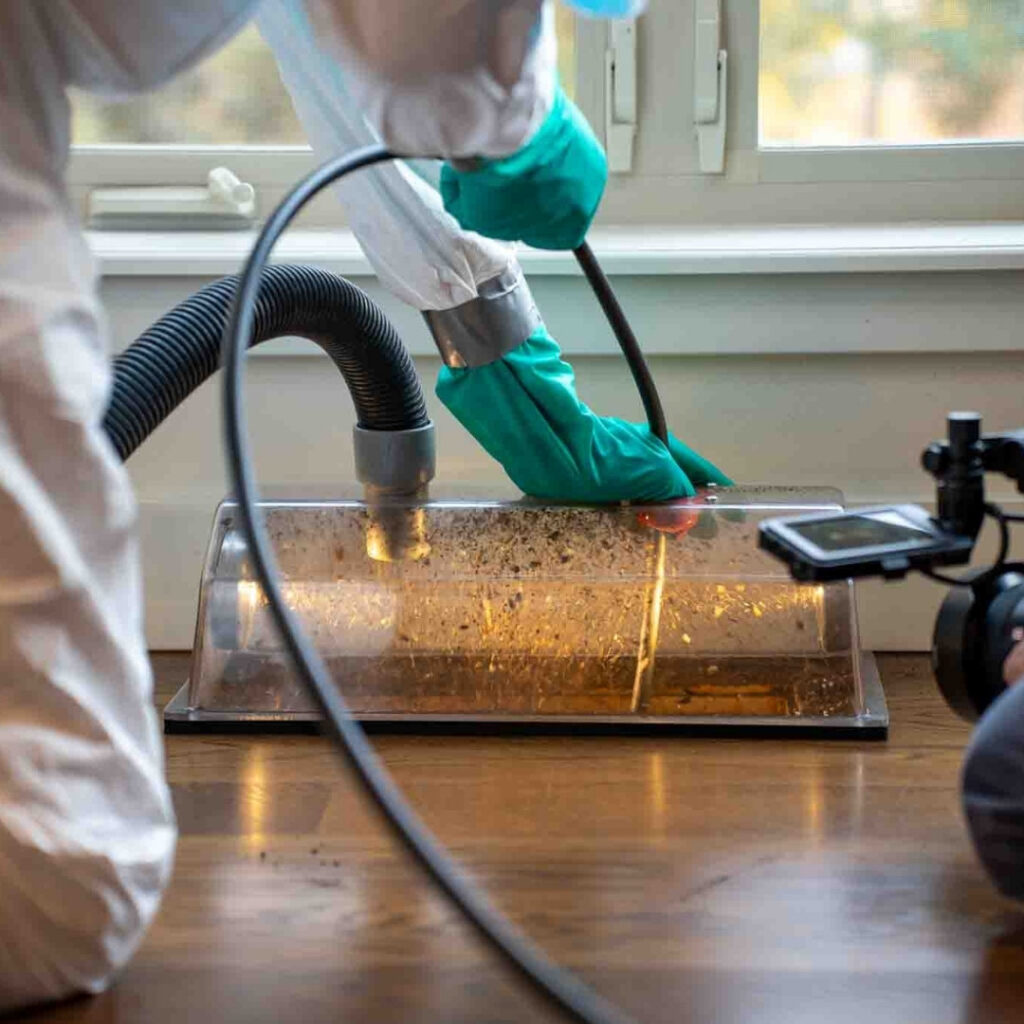
The distinction matters because the two services are not interchangeable. Standard duct cleaning uses mechanical agitation and vacuuming to remove accumulated debris from the interior surfaces of your duct system. That process is valuable for improving airflow and reducing particulate load. But if mold has established itself on duct liner material or coil surfaces, mechanical cleaning alone will not eliminate it. You need treatment, not just removal, and you need to address the conditions that made growth possible in the first place.
This is not a job for a shop vac and a can of spray. It requires the right equipment, the right products, and trained technicians who understand how mold behaves inside HVAC systems and what it takes to achieve a lasting result.
Why Air Duct Mold Removal Matters for Your Health
Mold inside an HVAC system does not stay in one place. Each time the system runs, it can circulate spores, allergens, and microbial contaminants throughout the home. This repeated exposure can significantly impact indoor air quality.
Research has shown that indoor mold exposure is linked to increased respiratory symptoms such as coughing, wheezing, and asthma flare-ups. Damp indoor environments with mold are also associated with a 30–50% higher risk of developing asthma, along with other issues like bronchitis, allergic reactions, and respiratory infections.
Because HVAC systems continuously move air, they can amplify exposure compared to other mold sources. This makes symptoms more persistent and widespread, especially for individuals with allergies, asthma, or sensitivities. Addressing mold at the system level is critical to improving the air you breathe every day.
Why HVAC Systems Are Vulnerable
Mold needs three things to grow: moisture, organic material to feed on, and a surface to colonize. HVAC systems can provide all three in abundance. Condensation forms naturally on cooling coils and in drain pans as warm air passes over cold surfaces during the cooling cycle. Dust and debris inside ductwork serve as organic food sources. And the surfaces of duct linings, particularly fiberglass-lined flex duct, are highly hospitable to mold growth once moisture is introduced.
Research on microbial contamination in HVAC systems found that mold contamination was detected in a majority of commercial and residential HVAC units sampled, with cooling components and duct insulation being the most commonly affected areas. If your system runs frequently in a warm or humid environment, your risk is elevated significantly compared to drier climates.
Drain pans are a particularly common problem area. When drainage is slow or blocked, standing water creates an ideal environment for fungal growth. Biofilm develops on the pan and drain line surfaces, and mold spores enter the airstream every time the system cycles. Cooling coils are similarly vulnerable because condensation accumulates on fin surfaces throughout every cooling cycle, and any organic debris that collects there becomes a persistent growth medium.
Signs That Mold Remediation May Be Needed
The most common sign is a persistent musty odor when your HVAC system is running. Other indicators include:
- Visible discoloration around vents or registers
- Worsening allergy or respiratory symptoms indoors
- A history of water intrusion or moisture issues
- Condensation buildup near HVAC components
- A system that has gone years without inspection
You may also notice patterns—symptoms improving when you leave the building and worsening when you return. This is often a strong indicator that the HVAC system is contributing to poor air quality.
When Cleaning Is Not Enough
Standard duct cleaning is effective for removing accumulated debris and improving airflow. But when mold has penetrated duct lining materials or established itself on coil surfaces and drain pans, cleaning alone will not resolve the problem. Any mold left behind after cleaning will continue to grow and spread, often faster than before because competing debris has been removed and growth conditions have been left intact.
A study published by the Research Triangle Institute confirmed that duct cleaning alone does not provide adequate protection from regrowth of fungal contamination on fiberglass duct liner. Full remediation protocols that include antimicrobial treatment produce significantly better long-term outcomes, particularly in humid climates where conditions favor regrowth.
The EPA also recommends that wet or mold-contaminated insulated duct materials be removed and replaced rather than cleaned, because porous materials cannot be fully decontaminated once mold has penetrated the surface. A professional remediation company will assess which sections can be treated and which need to be replaced, and will provide a clear explanation of their findings before any work begins.
What the Remediation Process Looks Like
- Inspection & Moisture Assessment: A professional HVAC mold remediation begins with a thorough inspection to identify contamination and locate the moisture source. Addressing the underlying moisture issue is critical—without it, mold will return.
- Containment & Preparation: Affected areas are contained to prevent cross-contamination during the process and to protect indoor air quality while work is being performed.
- Mechanical Cleaning & Removal: Mechanical cleaning removes dust, debris, and biological buildup from the system. Contaminated materials are removed or replaced where necessary.
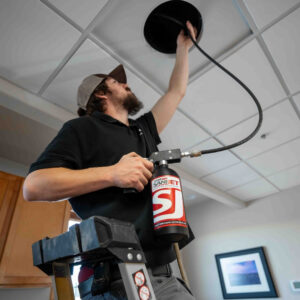
- Targeted Antimicrobial Treatment: After cleaning, targeted treatment is applied to address remaining microbial contamination. Products like Superstratum Building Cleaner are used to break down residual microbial matter and mycotoxins that can remain on HVAC surfaces.
- Protective Coating Application: As a final step, Superstratum Endurance Coating Pro may be applied to interior system components to create a durable antimicrobial barrier that helps inhibit future microbial growth.
- Verification & Prevention Recommendations: The process concludes with verification to ensure contamination has been reduced and the system is safe to operate. Recommendations may also be provided to improve drainage, reduce humidity, or correct airflow issues that contributed to the problem.
Do Not Wait for the Problem to Spread
Mold inside an HVAC system does not resolve on its own. Every day the system runs, it pushes contaminated air further into the occupied space and potentially into areas that were previously unaffected. The longer the problem persists, the more extensive the remediation becomes and the higher the cost. Acting at the first sign of a problem is always the better outcome.
If you have noticed any warning signs, if your system has been exposed to moisture or flooding, or if it simply has not been professionally inspected in several years, now is the right time to schedule an assessment.
Contact us today to schedule an inspection or residential air duct cleaning service in Bend, OR.