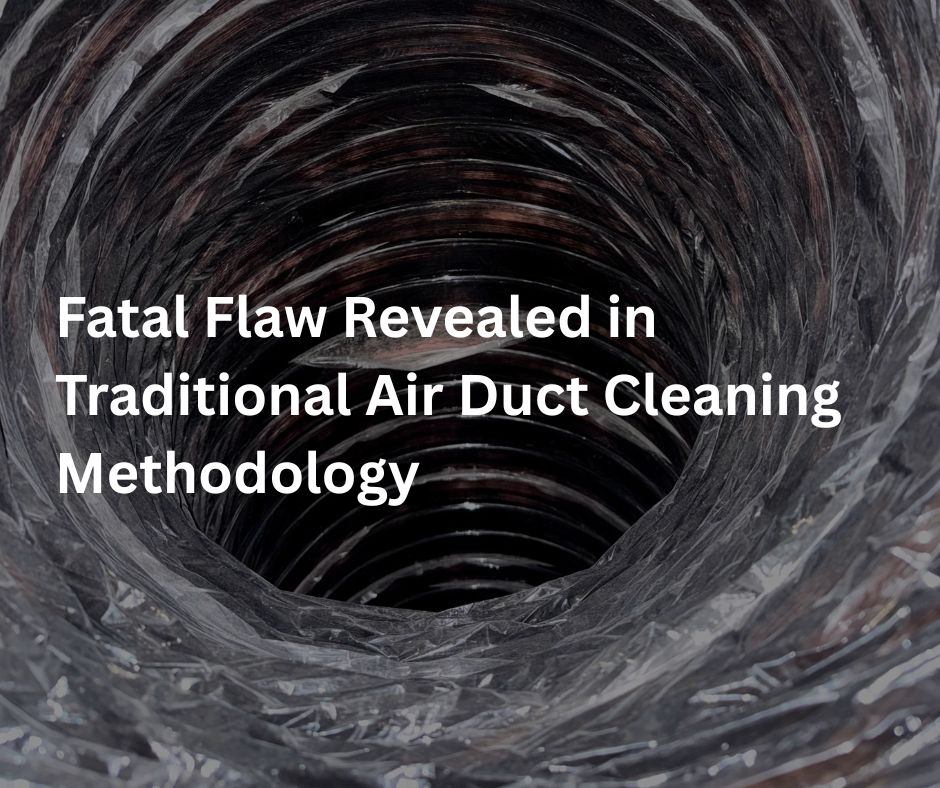
Peer‑reviewed study reveals structural damage in flexible HVAC ductwork subjected to traditional negative‑air cleaning and presents a new, non‑destructive method that delivers superior results and forms the basis for updated industry standards.
BEND, OR. — A newly published, peer‑reviewed study authored by Bend‑based researcher David Hart shows that the air‑duct cleaning method developed in the 1950s, appropriate when all ducting was metal, has become obsolete with today’s widespread use of flexible ductwork.
Published in the Spring 2026 issue of The Journal of Cleaning Science, the study revealed that negative‑air duct cleaning causes structural damage to the flexible HVAC ductwork now used around the world. Hart, a globally recognized expert in HVAC cleaning and decontamination and founder of Bend-based RamAir International and Guarantee Air Duct Cleaning, led a study evaluating the effects of negative-air cleaning on flexible HVAC duct systems. The research combined engineering analysis, field observations, and independent laboratory testing conducted by Element Materials Technology, a Los Angeles laboratory that performs testing for organizations including the U.S. Department of Defense and NASA. The study was published by the Cleaning Industry Research Institute International (CIRI) and peer reviewed by industry experts including Dr. Keri Lestage, PhD, PMP, CIC, and Dr. Brandon White, PhD, MBA, CIE, CMR.
Flexible duct systems became increasingly common in residential construction beginning in the late 1970s and 1980s, because they are lightweight, affordable, and easy to install. These systems are designed to operate under positive air pressure (the reason HVAC units are classified as “forced‑air systems”) but are damaged when exposed to the vacuum forces generated during negative‑air cleaning procedures. According to the study, the internal adhesive layers that hold flexible ducting together separate under even mild negative pressure, while negative‑air duct cleaning routinely subjects the material to vacuum levels ten to twenty times higher than its design tolerance.
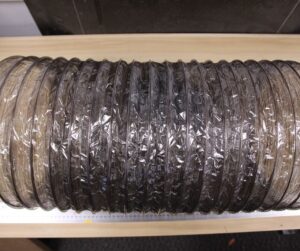
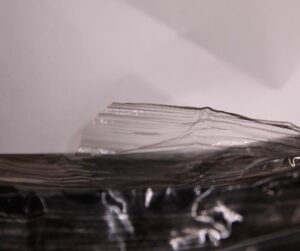
Independent laboratory testing subjected flexible duct samples to conditions representative of real-world cleaning operations, including negative pressure alone and negative pressure combined with mechanical agitation. While control samples showed no damage, all test samples developed adhesive seam failures, liner perforations, holes, and delamination.
The study identified adhesive seam degradation and delamination as primary failure mechanisms. Researchers note that many of these failures occur inside the duct system and will almost certainly not be visible during routine inspections.
According to the research, damaged ductwork also creates a pathway for moisture intrusion, condensation, and contamination. Over time, these conditions often contribute to mold growth, reduced HVAC efficiency, and other indoor air quality concerns.
John Miles, a chemist, former Director of Development for the seam-seal adhesives used in flexible HVAC ducting, and co-author of the 2023 study Effects of Negative Air Duct Cleaning on Flex Ducting, said the findings reflect a fundamental mismatch between how flexible duct systems are designed and how negative-air cleaning is performed.
“While these adhesives are engineered to withstand significant positive pressure, even relatively modest negative pressure can compromise their integrity,” Miles said. “In the field, I have repeatedly observed mold growth following negative-air duct cleaning. Excessive vacuum levels can damage the duct seam, allowing humid air to infiltrate the system and create the condensation conditions that promote mold growth.”
Because flexible ductwork has been installed in millions of homes and commercial buildings over the past several decades, the findings raise concerns that some systems may have experienced damage from negative-air duct-cleaning methods. The study suggests that the forces generated by these cleaning techniques may exceed what flexible duct materials and seams were originally designed to withstand.
The study concludes that positive-pressure air duct cleaning—the only cleaning method that operates in the same direction as a system’s intended positive airflow—is mechanically compatible with flexible duct construction. The authors call for industry standards to be updated to reflect these findings.
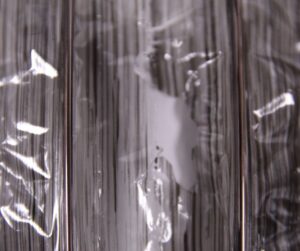
The full study, Structural Incompatibility of Negative-Air Cleaning in Flexible HVAC Duct Systems, appears in Volume 7, Issue 1 (Spring 2026) of The Journal of Cleaning Science.
About David Hart
David Hart is a U.S. Army veteran and Certified Forensic Operator with extensive experience in HVAC cleaning and decontamination across residential, commercial, and high-risk environments, including crime scenes, illicit drug contamination, and bioterrorism-related incidents. He is the author of the HVAC Standards for Forensic Restoration and serves as a Scientific Advisor and Board Member of the Biosecurity Emergency Response Team–Scientific Operators Group (BERT-SOG). Hart also serves as the HVAC cleaning and decontamination instructor for the world’s leading forensic restoration organization and has presented at international conferences, including delivering the opening keynote address at a major industry summit in Australia.
Hart holds multiple U.S. patents for HVAC cleaning and decontamination technologies and has authored several peer-reviewed research papers examining HVAC cleaning pressures and decontamination methodologies. His research has become a widely cited reference within the field and focuses on developing evidence-based protocols for HVAC decontamination in complex and high-risk environments.